The short answer
Read a label in layers: identify the exact product, check the amount and count, then record the lot or batch number and expiry information. A lot code identifies production information; it is not the product name or an expiry date. If a date or symbol is unclear, ask for an explanation of that exact label.
Start with identity, then quantity
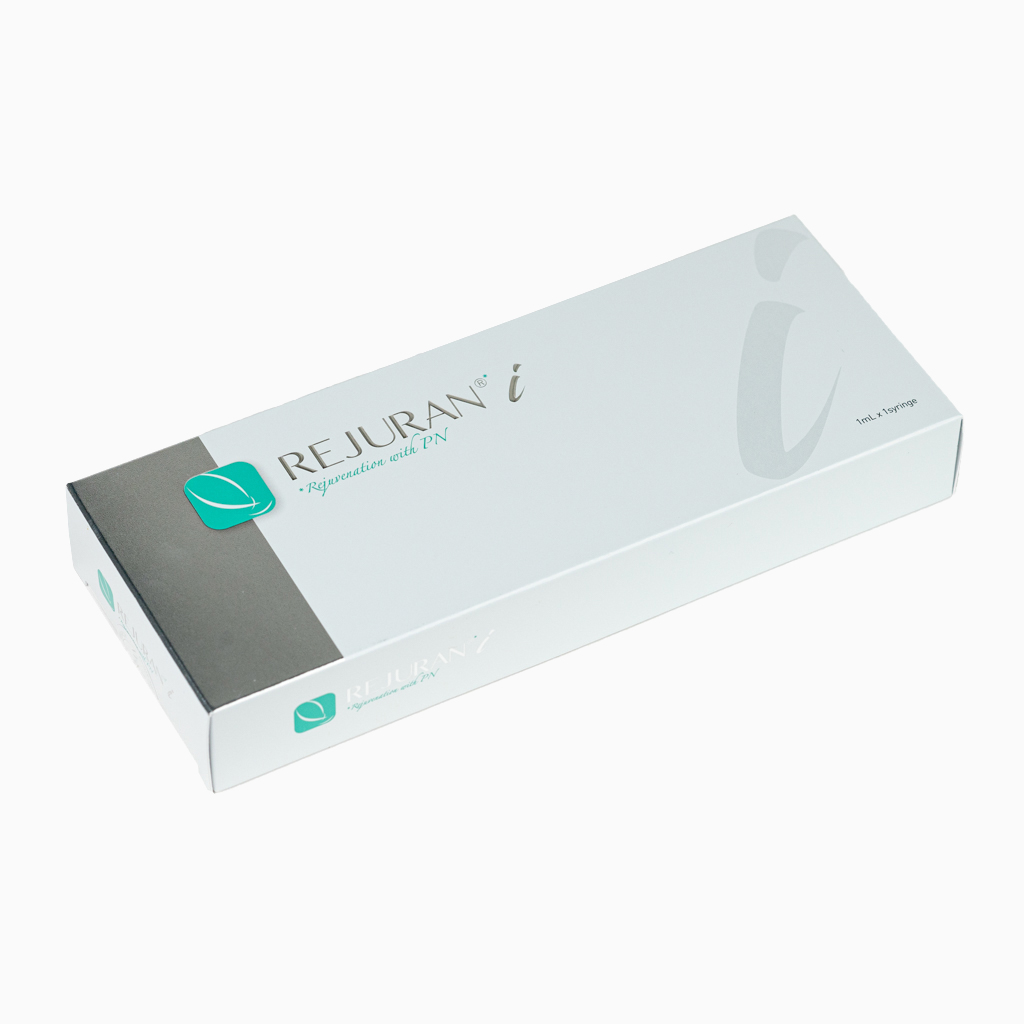
Begin with the full printed product name. Include suffixes, numbers and the manufacturer rather than recording only the brand. Next, separate the amount inside one container from the number of containers in the pack. A label that states an amount per unit answers a different question from a line describing the total pack count.
When browsing, keep the product page open beside your notes. Record any difference between the title, image and description as a question to resolve. Avoid silently changing your notes to make the fields agree: the mismatch may be exactly what the seller needs to see.
Give each field its own place
| Field | What to record |
|---|---|
| Product and variant | The complete printed name, including suffixes. |
| Pack contents | Amount per container and number of containers. |
| Manufacturer | The company named on the label or supporting document. |
| Lot or batch | The complete code, preserving letters, numbers and punctuation. |
| Expiry | The printed date and its accompanying label or symbol. |
| Storage | The conditions written for this particular item. |
A photograph is useful alongside this record, especially for a character that could be read as either a letter or a number. Photograph the whole label as well as a close-up so the field remains connected to its product.
Understand what a code can tell you
The FDA’s explanation of the US medical device UDI system distinguishes a device identifier from production information. Production information can include a lot or batch number, serial number, expiry date and manufacturing date. That distinction is helpful when organising your notes. It does not mean every product worldwide follows the same labelling rules. Read the FDA’s UDI basics.
For a label that actually uses GS1 Application Identifiers, the GS1 reference lists (10) for batch or lot, (11) for production date and (17) for expiration date. The reference defines the date format for those particular fields as YYMMDD. Do not apply that convention to an unrelated printed date simply because it contains six digits. Check the GS1 identifier reference.
Handle an unclear date without guessing
A sequence such as 04/05 can be ambiguous without context. Rather than deciding which part is the month, include a photo and ask the manufacturer or supplier to explain the date format on that exact pack. Also identify whether the marking is a manufacturing date, expiry date or another kind of date. They are not interchangeable.
If an expiry is given only by month and year, ask how the manufacturer defines it. Do not extend shelf life yourself or calculate an expiry from an assumed manufacturing period. In a purchasing conversation, state any remaining shelf-life requirement before arrangements are finalised, and request written confirmation of what will be supplied.
Keep the label connected to the enquiry
Save your label photo with the product link and the relevant email reply. For several items, use one clearly named record per variant. This makes later questions much easier to answer than a folder of cropped codes without product names.
A precise question to send
“Please confirm whether this marking is the manufacturing or expiry date and explain its format. I have attached the full label and a close-up of the marking, with the product name and catalog link.”
Reading a label helps you identify and describe an item. It does not prove that the item is genuine, suitable or authorised in your destination. Use the packaging-check guide when the concern involves altered printing, inconsistent details or a possible authenticity issue.
Sources & editorial notes
Public references checked on 1 October 2026. These links support the specific facts cited in the article. Check current manufacturer instructions and destination requirements for the exact product.
Original consumer guidance from The Fora. Related catalog entries are browsing references; confirm product-specific details with the manufacturer or supplier.